Quitting is both a health upgrade and an emotional reset, and it is never too late to quit. When a smoker decides to quit smoking, circulation, breathing, and lung function increase, while carbon monoxide declines and oxygen improves. This smoke-free path transforms taste and smell, reduces heart attack risk, and reshapes habits. With the support you need to quit, a clear quit plan, and practical tools, people can navigate cravings, withdrawal symptoms, and the stresses that trigger a cigarette.
Understanding the Need to Quit Smoking
People quit because they want to stop damaging their lung function, reduce heart attack risk, and feel healthier. Many decided to quit after noticing shortness of breathing, diminished taste and smell, or alarming coughs. Evidence shows it is never too late to quit; health improvements begin rapidly. A smoke-free life also improves mood stability as nicotine withdrawal resolves. With smoking cessation support, the reasons to stop smoking become clearer and more compelling.
Why People Decide to Quit
Common motivations include fear of a heart attack, protecting lung health, and wanting to stop smoking for family. Some want to quit after a GP consultation revealing high carbon monoxide. Others are ready to quit smoking to reclaim taste and smell, improve circulation, and breathe freely. Many simply want to stop a costly smoking habit. When people decide to quit, they often plan a quit date and marshal practical help to stop smoking swiftly.
Emotional Triggers for Quitting
Powerful emotional triggers include worry after chest tightness, anxiety over a parent’s cigarette-related illness, or guilt when children smell smoke on clothes. A scare in healthcare, such as suspected lung issues, can catalyze smoking cessation. Stress, grief, and shame also push people to quit. Recognizing craving cycles, naming withdrawal symptoms, and reframing lapses help maintain resolve. When you want to stop smoking, linking values to a smoke-free identity sustains motivation beyond the initial decision.
The Role of Support in Smoking Cessation
Effective support includes a GP-led consultation, referral to a smoking cessation service, and guidance from an HSE stop smoking service. Nicotine replacement therapy or a prescription, combined with behavioral therapy, can double success. Peer accountability, texting check-ins, and a quit coach provide the support you need. Many people to quit benefit from vaping as a bridge, with proper healthcare oversight. Structured help to stop smoking builds skills to ride out withdrawal and craving.
Creating a Personalized Quit Plan
A tailored quit plan aligns goals, tools, and timelines. Set a quit date, map triggers, and arrange NRT or prescriptions before stopping. Plan for withdrawal symptoms, craving peaks, and high-risk moments. Schedule therapy or smoking cessation service sessions. Decide on vaping or NRT formats, and ensure follow-up with your GP. A smoke-free roadmap anticipates setbacks and scripts responses, delivering the support you need to quit consistently and confidently.
Setting Realistic Goals to Stop Smoking
Define a clear quit date, interim milestones, and daily behaviors that replace smoke cues. Goals might include reducing cigarettes before stopping, practicing breathing exercises, and logging cravings. Set targets for carbon monoxide reductions and improving taste and smell. Plan healthcare check-ins to track lung function increases and circulation gains. Include rewards for hitting milestones. Realistic pacing with contingency steps prevents all-or-nothing thinking and sustains momentum.
Identifying Your Triggers
Catalog moments you reach for a cigarette and organize key details to make patterns clearer.
| Situation | Possible Alternative |
|---|---|
| Morning coffee | Breathing drills or water |
| Stress at work | Short walks or NRT |
| Driving | Water or focused breathing |
| Social alcohol | Walks or NRT |
Note sensory prompts, like smell associations, and emotional patterns that precede craving. Trace routines in your smoking habit and list situations that spike withdrawal symptom intensity. Replace each cue with alternatives—breathing drills, water, walks, or NRT. Recognizing oxygen and carbon monoxide shifts after smoke exposure reinforces choices. Precision mapping of triggers makes it easier to quit and stay smoke-free.
Developing a Support Network
Build layers: a GP for prescriptions, an HSE stop smoking service for counseling, and a local smoking cessation service for group sessions. Ask friends to remove cigarettes, join walks, and message during craving windows. Secure nicotine replacement options and schedule therapy. If you want to help someone else quit smoking, mirror this structure. Timely consultation, appropriate nicotine support, and regular check-ins enable sustainable quitting.
Exploring Smoking Cessation Services
Across communities, structured smoking cessation services provide the support you need to quit with a tailored quit plan, clinical oversight, and ongoing check-ins. Coordinated GP consultation, referrals, and evidence-based therapies make quitting safer and more effective.
Types of Services Available
Options to help people quit include GP-led clinics with prescription support, community smoking cessation services, HSE stop smoking service programs, and digital coaching. Many combine behavioral therapy, nicotine replacement therapy (NRT), or a tablet, plus carbon monoxide monitoring. Helplines, group sessions, and pharmacist-led NRT guidance help people to quit, manage cravings, and stabilize withdrawal symptoms between appointments.
| Option | Key Support Provided |
|---|---|
| GP-led clinics | Prescription support; carbon monoxide monitoring |
| Community/HSE services | Behavioral therapy; group sessions; helplines |
| Digital coaching | Behavioral support between appointments |
| Pharmacist-led NRT guidance | Nicotine replacement therapy advice to manage cravings and withdrawal |
How to Access Help to Stop Smoking
Start by booking a GP consultation to set a quit date and review options. Contact your local HSE stop smoking service or stop smoking service online to get help quickly. Pharmacists can initiate nicotine replacement, while healthcare teams coordinate therapy, vaping advice, and follow-up for the support you need.
Benefits of Professional Support
Professional guidance doubles success by aligning medications/NRT with therapy and relapse planning. Clinicians track carbon monoxide, oxygen, breathing, and lung function increases, adjusting treatment as withdrawal symptoms shift. You receive timely tweaks to nicotine replacement, encouragement during craving spikes, and safety screening to lower heart attack risk and protect lung health.
Nicotine Replacement and Alternative Therapies
Nicotine replacement, prescription tablets, vaping, and behavioral therapy can be blended within a quit plan to match your triggers, smoking habit, and readiness. Combining methods eases withdrawal and supports safer transition to a smoke-free routine.
Understanding Nicotine Replacement Therapy (NRT)
NRT delivers controlled nicotine without smoke, reducing craving and withdrawal. Formats include patches, gum, lozenges, mouth spray, inhalators, and nasal spray. A GP, pharmacist, or HSE stop smoking service can tailor dosing, tapering, and combination regimens, monitor symptoms, and ensure oxygen, breathing, and lung function recover as carbon monoxide declines.
| Aspect | Details |
|---|---|
| Purpose of NRT | Provides controlled nicotine without smoke to reduce cravings and withdrawal |
| Available formats | Patches, gum, lozenges, mouth spray, inhalators, nasal spray |
| Professional support | GP, pharmacist, or HSE stop smoking service |
| Care provided | Tailored dosing, tapering, combination regimens, and symptom monitoring |
| Health recovery focus | Support recovery of oxygen, breathing, and lung function as carbon monoxide declines |
Evaluating Vaping as a Cessation Tool
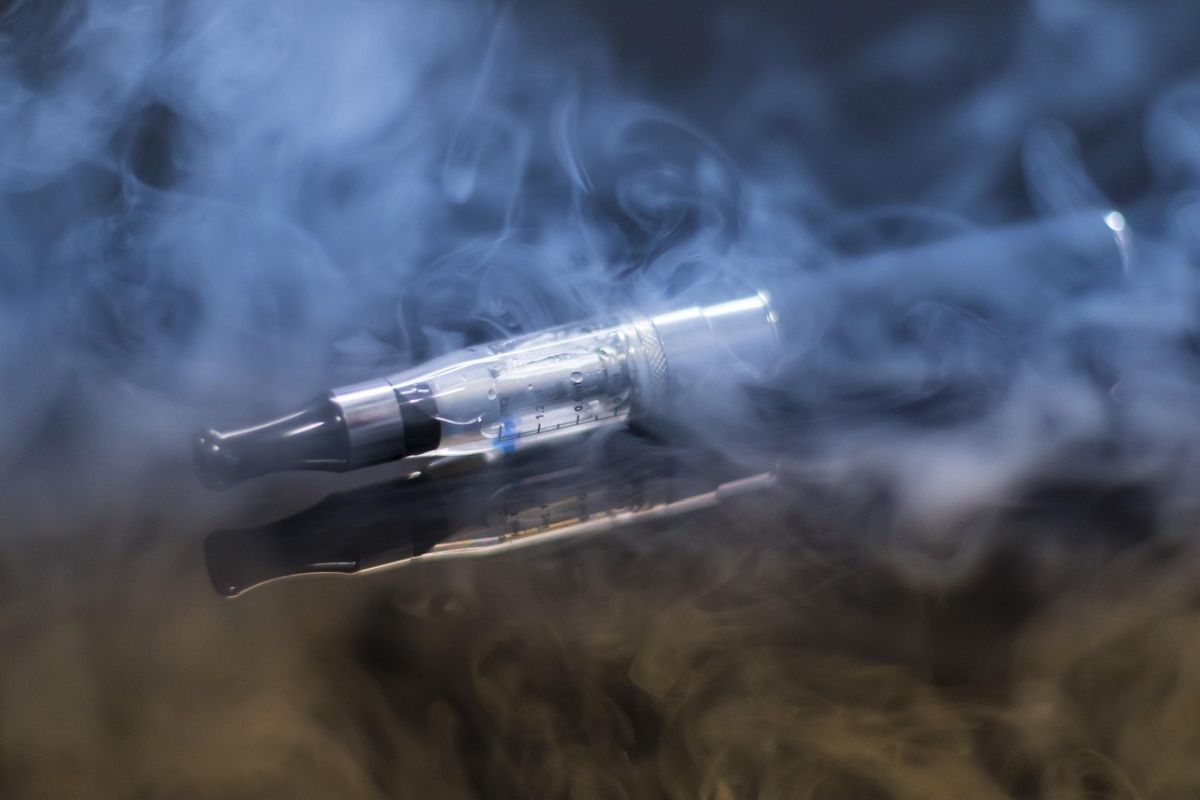
Vaping can help some people to quit by replacing cigarette nicotine while removing smoke and sharply reducing carbon monoxide exposure. Use under healthcare guidance with a step-down plan and defined quit date to eventually come off nicotine.
Exploring Behavioral Therapies
Behavioral therapy targets cues, reframes urges, and rehearses smoke-free alternatives. Techniques include cognitive restructuring, stimulus control, and urge-surfing for craving and withdrawal. Integrated with NRT or a prescription tablet, counseling from a smoking cessation service or HSE program strengthens confidence, prevents lapses, and supports sustained smoke-free living.
Dealing with Withdrawal and Emotional Challenges
Navigating the first weeks after a quit date requires planning for withdrawal, emotional fluctuation, and craving. A structured quit plan, nicotine replacement therapy or vaping, and timely GP consultation stabilize breathing and mood. Health gains begin quickly: lung function increases, circulation improves, and oxygen rises as carbon monoxide falls. Use therapy, a smoking cessation service, or HSE stop smoking service to track symptom patterns, review prescription options, and get help when motivation dips or routines trigger a cigarette.
Recognizing Withdrawal Symptoms
Typical withdrawal symptoms include irritability, restlessness, low mood, sleep disruption, and intensified craving, alongside physical shifts in breathing as smoke leaves the lungs. Some smokers notice headaches, appetite changes, and a cough as lung function clears. These symptoms usually peak within days after the quit date and then ease. Monitoring triggers, logging timing, and sharing patterns with a GP or stop smoking service helps tailor nicotine replacement, NRT combinations, or a tablet to smooth the transition.
Strategies for Managing Emotional Ups and Downs
Plan daily routines that replace your smoking habit: hydration, paced breathing, brief walks, and cue-free zones. Use therapy skills—urge-surfing, cognitive reframing, and stimulus control—to ride each craving without a cigarette. Pair nicotine replacement with structured check-ins from an HSE stop smoking service or smoking cessation service. If anxiety spikes, a GP consultation can adjust NRT, discuss a prescription, or assess a short-term tablet. Self-compassion, sleep hygiene, and social support reinforce a smoke-free identity.
Staying Motivated During the Process
Anchor motivation to visible gains: better taste and smell, easier breathing, and rising energy. Set micro-goals between milestones and reward progress. Track carbon monoxide reductions and oxygen improvements with your GP or stop smoking service to see healthier changes. Rehearse statements about why you want to stop smoking and keep reminders where a cigarette once lived. If you waver, get help quickly—therapy, vaping step-downs, or adjusted nicotine replacement keep momentum when you are ready to quit smoking long term.
Helping Others on Their Quit Smoking Journey
When you help someone else quit smoking, center their reasons to quit and tailor support. Offer practical tools—rides to a GP consultation, reminders for NRT, and prompts to use therapy skills during a craving. Encourage engagement with an HSE stop smoking service or local smoking cessation service for the support you need to quit. Reduce smoke cues at home and celebrate each quit date milestone. Share evidence that it is never too late to quit and that health rebounds quickly.
How to Support Someone Who is Quitting
Ask how they want to stop and agree on specific actions: removing cigarettes, prepping nicotine replacement, or scheduling check-ins. Normalize withdrawal symptoms, validate emotions, and coach urge-management strategies. Help coordinate a GP consultation for prescription options, NRT combinations, or a tablet. Encourage participation in a stop smoking service or therapy group. During craving spikes, distract with a walk, water, or breathing drills. Avoid judgment after lapses; refocus on the quit plan.
Creating a Smoke-Free Environment
Eliminate smoke triggers by cleaning fabrics, ventilating spaces, and designating all rooms smoke-free. Replace ashtrays with water bottles, sugar-free mints, and stress tools. Store NRT or vaping devices where cigarettes once were, reinforcing immediate alternatives during a craving. Post reminders of the quit date, reasons you want to quit, and contacts for the smoking cessation service or HSE support. Consistent environmental cues reduce relapse risk and protect lung health.
Encouraging Young People to Quit Smoking
With adolescents and young adults, emphasize immediate benefits: improved sports performance, clearer skin, fresher taste and smell, and healthier lungs. Offer quick access to a GP or stop smoking service to design a youth-friendly quit plan, including nicotine replacement, vaping step-downs when appropriate, and therapy skills for peer pressure. Use brief, nonjudgmental check-ins, celebrate small wins, and track carbon monoxide declines. Reinforce that it is never too late to quit, with respectful, consistent support.
Celebrating Milestones and Staying Smoke-Free
Mark the first 24 hours, one week, one month, and three months with meaningful rewards tied to your quit plan. Each milestone reflects healthier changes—better breathing, stronger circulation, and lung function increases as oxygen rises. Review progress with your GP or HSE stop smoking service, adjust nicotine replacement or a prescription as withdrawal evolves, and reaffirm why you want to stop smoking. Ritualizing achievements builds confidence and reduces relapse risk.
Recognizing Your Achievements
Track tangible metrics: carbon monoxide readings, improved exercise tolerance, calmer breathing, and enhanced taste and smell. Journal how you handled a tough craving without a cigarette and the skills that worked. Share success with your support network, from your GP to your smoking cessation service. Convert saved cigarette costs into experiences or wellness tools. Recognizing progress sustains motivation and strengthens your smoke-free identity.
Long-Term Strategies for Staying Smoke-Free
Maintain routines that protect recovery: regular sleep, exercise, stress management, and ongoing therapy or group support. Keep fast-acting NRT available for surprise triggers, and schedule periodic GP consultation to review lung health and prescription needs. Refresh your quit plan after life changes—travel, stress, or celebrations—so a cigarette never regains space. Consider tapering vaping systematically if used during quitting. Periodic check-ins prevent complacency and keep you smoke-free permanently.
Resources for Ongoing Support
Reliable supports include your GP, HSE stop smoking service, local smoking cessation service, pharmacist-guided nicotine replacement, and digital coaching for cravings. Many programs combine NRT, a tablet when indicated, and therapy sessions with carbon monoxide monitoring. If you want to quit or need help to stop smoking again, get help early. It is never too late to quit—healthcare teams provide the support you need to stay smoke-free long term.